Paying Attention to What Your Body Is Saying
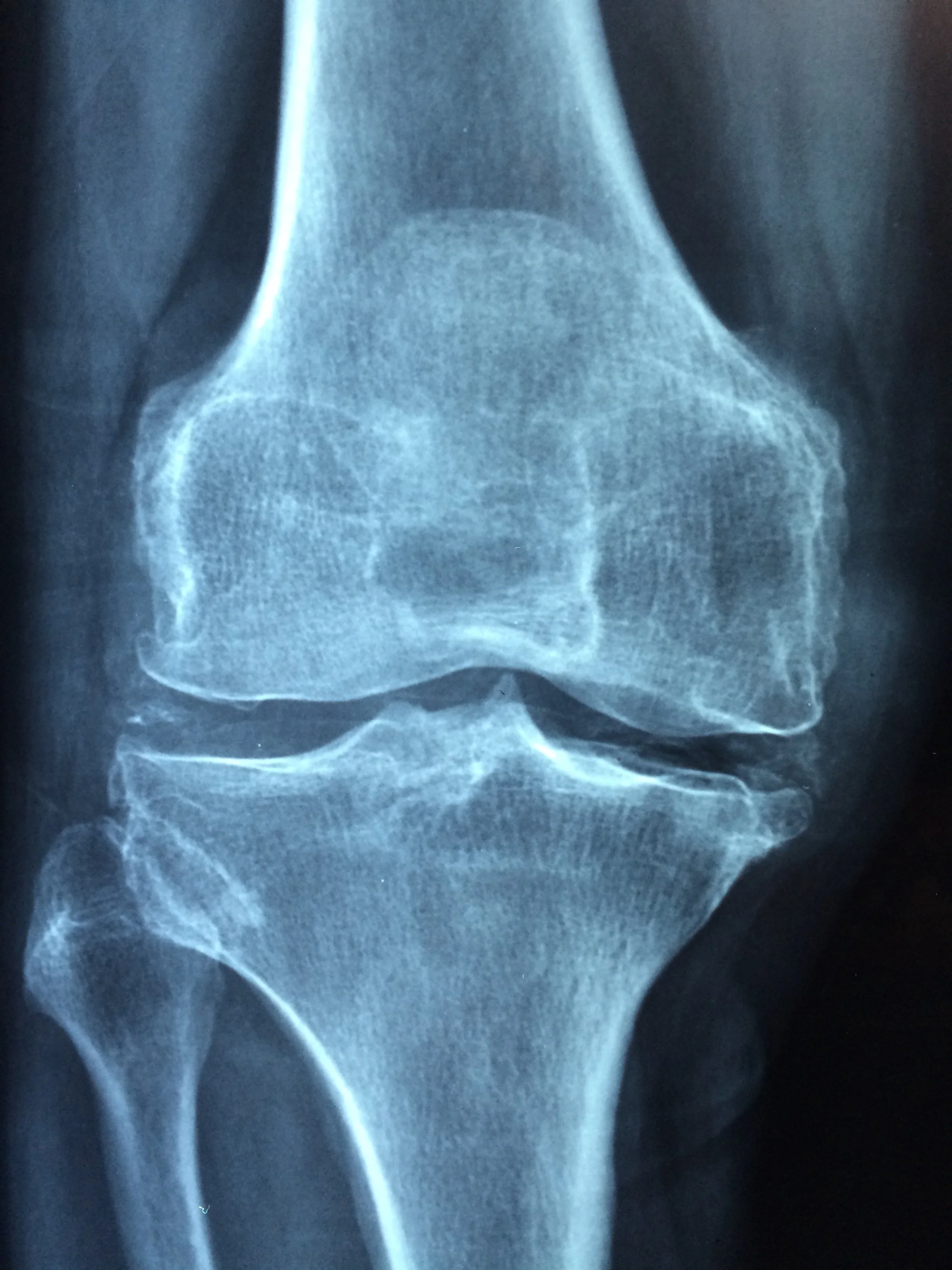
After my recent second knee surgery, I had an episode of hives. Nothing major. Nothing serious. Nothing contagious. At first I dismissed them. They appeared randomly. I thought it was stress. Then the pattern became clear. My body was signaling that I had pushed too hard, too soon. I had to listen.
As we get older, taking care of ourselves becomes both more necessary and more complex. Aging brings changes in cell function, immune response, tissue repair, and regulation of inflammation. The immune system loses efficiency over time, reducing its ability to respond to threats and recover from stressors. This process, called immunosenescence, alters how the body reacts to surgery, illness, and even minor insults like allergens. As a result, something as simple as hives can be a sign of a deeper imbalance rather than a passing irritation.
When I first noticed the hives 10 weeks after surgery, I assumed I was overreacting. I assumed it would pass on its own. But data on recovery in older adults offers a cautionary note. Functional recovery after surgery in people over 60 can take months. And even though I was walking well, not taking medicine, my body needed more support and rest. For basic daily activities it may take three months or more to return to baseline. For more complex tasks the recovery period can extend longer. These timelines are a reminder that the body needs time and thoughtful care to rebuild strength.
This episode of hives were my body’s way of saying I was in a state of chronic stress. Inflammation was heightened and my immune system was already working hard to heal the surgical site. Rather than pushing through workouts and social commitments at full speed, I needed to adjust. I needed more sleep, more deliberate rest, and closer monitoring of my diet and hydration. And be more healthy overall.
Data from aging research supports this shift in approach. Chronic health conditions become more common with age, and the risk of overlapping issues increases. Roughly one in four older adults experiences falls each year. More falls, more chronic conditions, reduced functional capacity, all reflect the underlying shift in body resilience as we age.
Listening to your body at any age makes sense. As you get older, it becomes a practical necessity. The alerts are real. Pain after activity that used to feel easy. Fatigue that lingers. Rashes that show up out of nowhere. They are signals, not nuisances.
If there is a lesson in my episodes of hives it is this: treat symptoms as data, not distractions. Your body is giving you information about what it needs. Respect recovery timelines. Make adjustments when signals change. As age advances, self awareness becomes not just helpful but central to staying healthy.