
Creating an Open College Campus Communication Environment
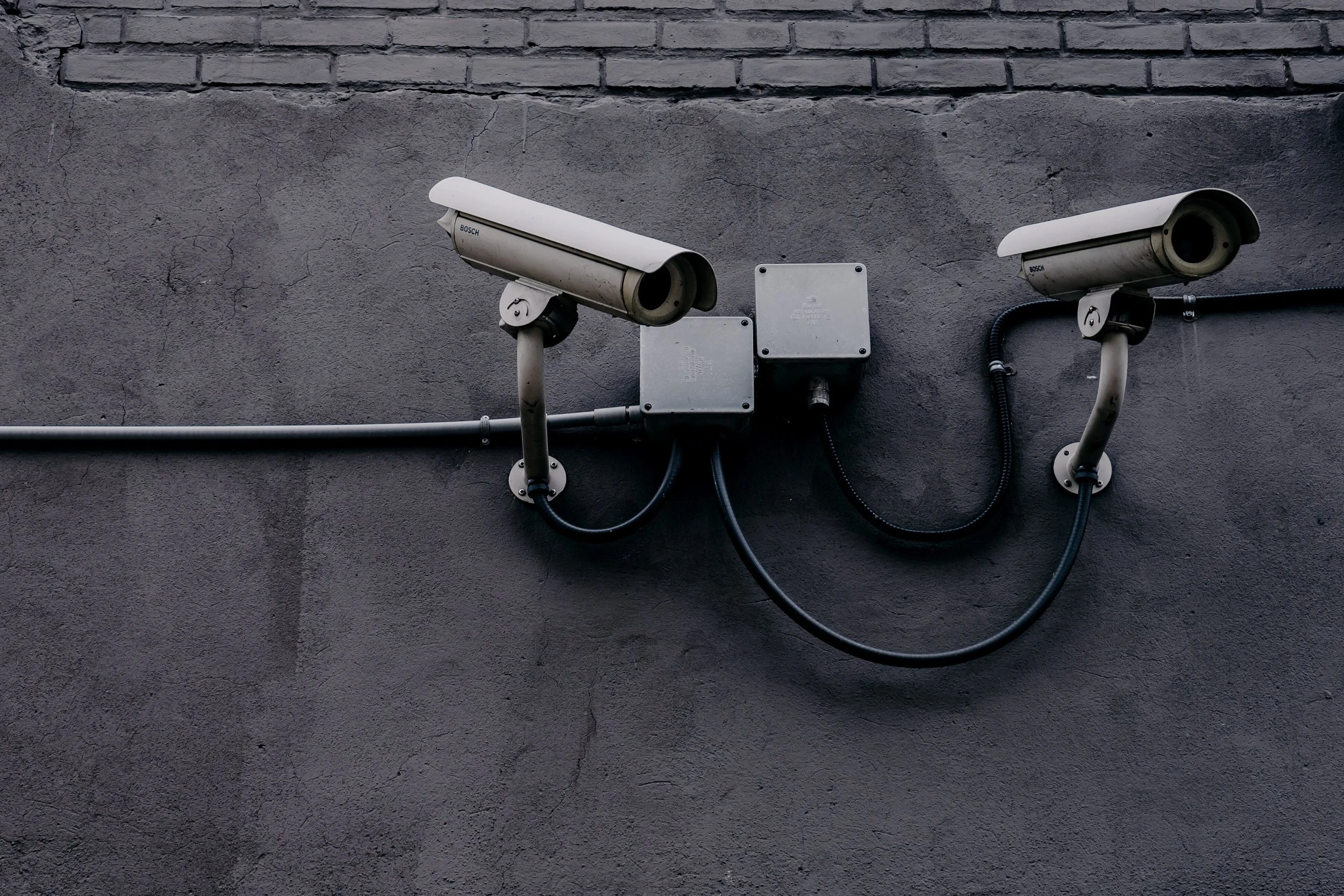
A recent Chronicle of Higher Education article, "Campus Surveillance Is Out of Control," raises an issue that deserves thoughtful discussion. Like many debates today, it is easy to rush toward one extreme or the other. I think the better answer lies somewhere in the middle.
Colleges and universities have a responsibility to create safe campuses. That means protecting students, faculty, staff, visitors, and property. Cameras, emergency notification systems, access controls, and other security tools all have an appropriate place. As the parent of a child who will be on a college campus within the next decade, I expect institutions to make those investments.
Safety is not optional. It is a core responsibility.
The challenge comes when technology moves beyond safety and begins influencing expression.
Higher education has always been more than a collection of classrooms. It is one of the few places where people from different backgrounds, experiences, beliefs, and cultures come together with the expectation that they will wrestle with ideas. Some of those conversations are uncomfortable. Some challenge long held assumptions. That is part of the educational process.
If surveillance tools are used to discourage lawful protests, monitor political viewpoints, or make students and faculty wonder whether expressing an unpopular opinion will bring unwanted scrutiny, the institution has crossed an important line. The purpose of a university is not simply to educate people about subjects. It is to teach people how to think, evaluate evidence, and engage respectfully with those who see the world differently.
Over the past several years, we have heard people across the political spectrum say they do not feel comfortable expressing their opinions on campus. Depending on who is speaking, the blame shifts from one side to the other. That conversation misses a larger point. When any group believes it cannot speak openly, the institution has work to do.
A healthy campus does not require agreement. It requires respect.
Students should be able to ask difficult questions without fear of ridicule. Faculty should be able to present competing ideas fairly. People should leave conversations understanding another perspective, even if they ultimately disagree with it. Listening does not require agreement. It does require curiosity.
Some of the most valuable moments in higher education happen when someone encounters an idea they have never seriously considered before. Sometimes that experience strengthens their existing beliefs. Sometimes it changes them. Either outcome is evidence that learning has occurred.
The balance is clear. Use technology to keep people safe. Protect buildings. Respond quickly to emergencies. Prevent violence when possible. Those are appropriate uses of campus security.
But never allow security to become a substitute for open dialogue.
The best colleges prepare students for a world where they will work with people who think differently, vote differently, worship differently, and live differently. That preparation begins by creating campuses where respectful conversation is encouraged, ideas can be challenged, and every member of the community has the freedom to participate without fear.