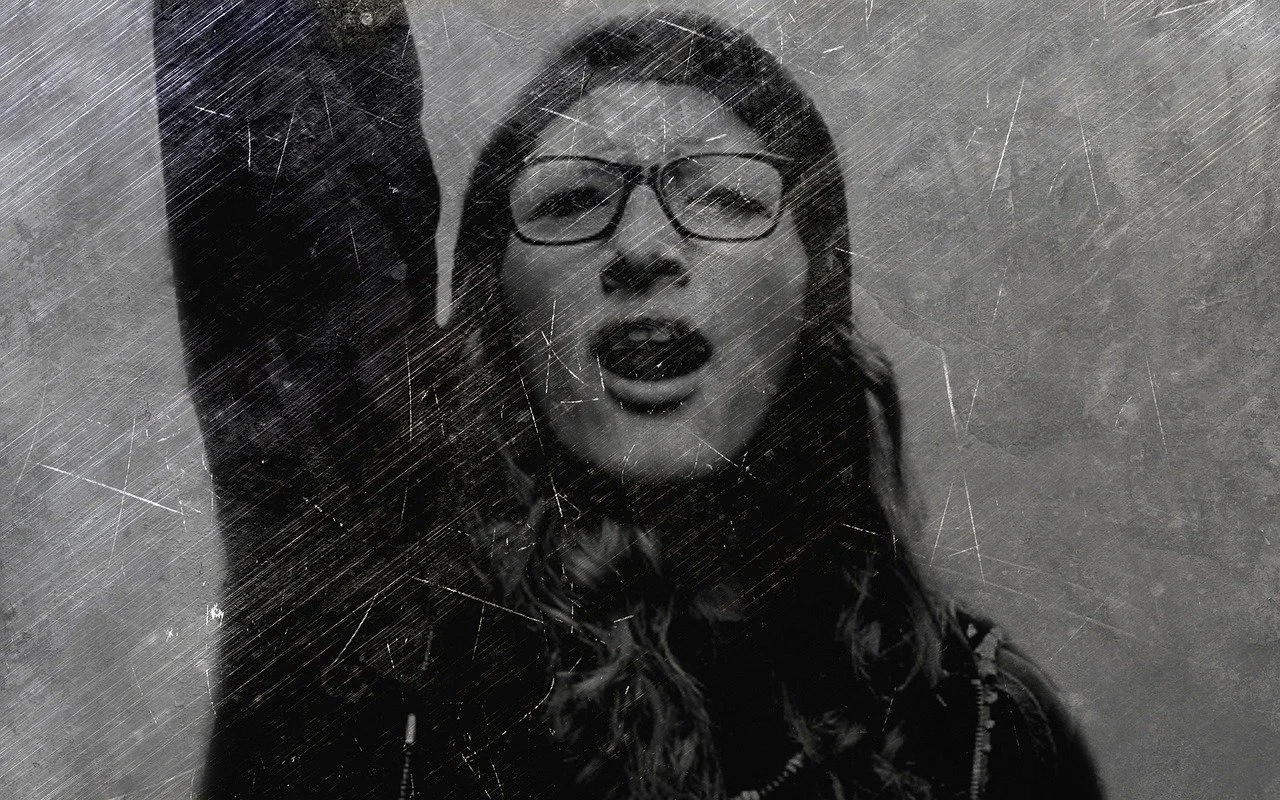

The 1st Amendment Comes with Consequences—Just Not the Ones Most People Think
There is a persistent misunderstanding in our public discourse about what the First Amendment actually does and does not protect. It comes up every time someone is fired, disciplined, or publicly criticized for something they said. The immediate response is often the same. My First Amendment rights have been violated. That statement is usually wrong.
The First Amendment protects individuals from government intrusion into speech and thought, for the most part (you can’t yell “fire” in a crowded theatre”). It prevents the government from jailing you, fining you, or otherwise punishing you criminally for expressing your views. It is a shield against state power. It is not a guarantee that your employer must keep paying you. It is not a promise that your reputation will remain intact. And it is certainly not protection from social or professional consequences.
This distinction is not subtle if you have studied constitutional law. I did. Early on, you learn that constitutional protections are largely vertical. They regulate the relationship between the individual and the state. They do not generally regulate relationships between private parties. If a private employer decides that your speech violates its values, harms its mission, or creates risk, the Constitution is not your safety net. Losing your job is not a constitutional violation. Being criticized is not censorship. Being disagreed with loudly is not oppression.
Where things get more complicated is in the gray area of state educational institutions. Public universities are government entities. That creates a strange and often misunderstood nexus. Faculty members at these institutions do have certain speech protections that do not apply in private employment. But even there, the protection is not absolute. Courts have consistently recognized limits related to disruption, professional responsibility, and institutional function. Academic freedom is real, but it is not a free pass to say anything at any time without consequence.
What frustrates me is how casually the First Amendment is invoked as a rhetorical weapon. Someone is fired and they shout First Amendment. Someone faces backlash and they cry censorship. My response is usually simple. Yes, you are not in jail. That matters. That is the core promise of the First Amendment. The fact that you are free to speak does not mean others are required to endorse, employ, or insulate you.
Freedom of speech is one of the great pillars of our democracy. It allows dissent, creativity, protest, and progress. But freedom has never meant immunity. Speech has consequences. It always has. The amendment protects your right to speak, not your right to be shielded from the results of that speech.
If we want a healthier public conversation, we need to stop flattening the First Amendment into a catchall excuse. Understanding its power requires understanding its limits. Responsibility and consequence are not failures of free speech. They are part of living with it.