
When “Leadership” Isn’t Really “Leadership”
Leadership is often described through vision, strategy, and decision making. Those matter. What matters just as much is what happens in the daily interactions that shape the experience of everyone on the team.
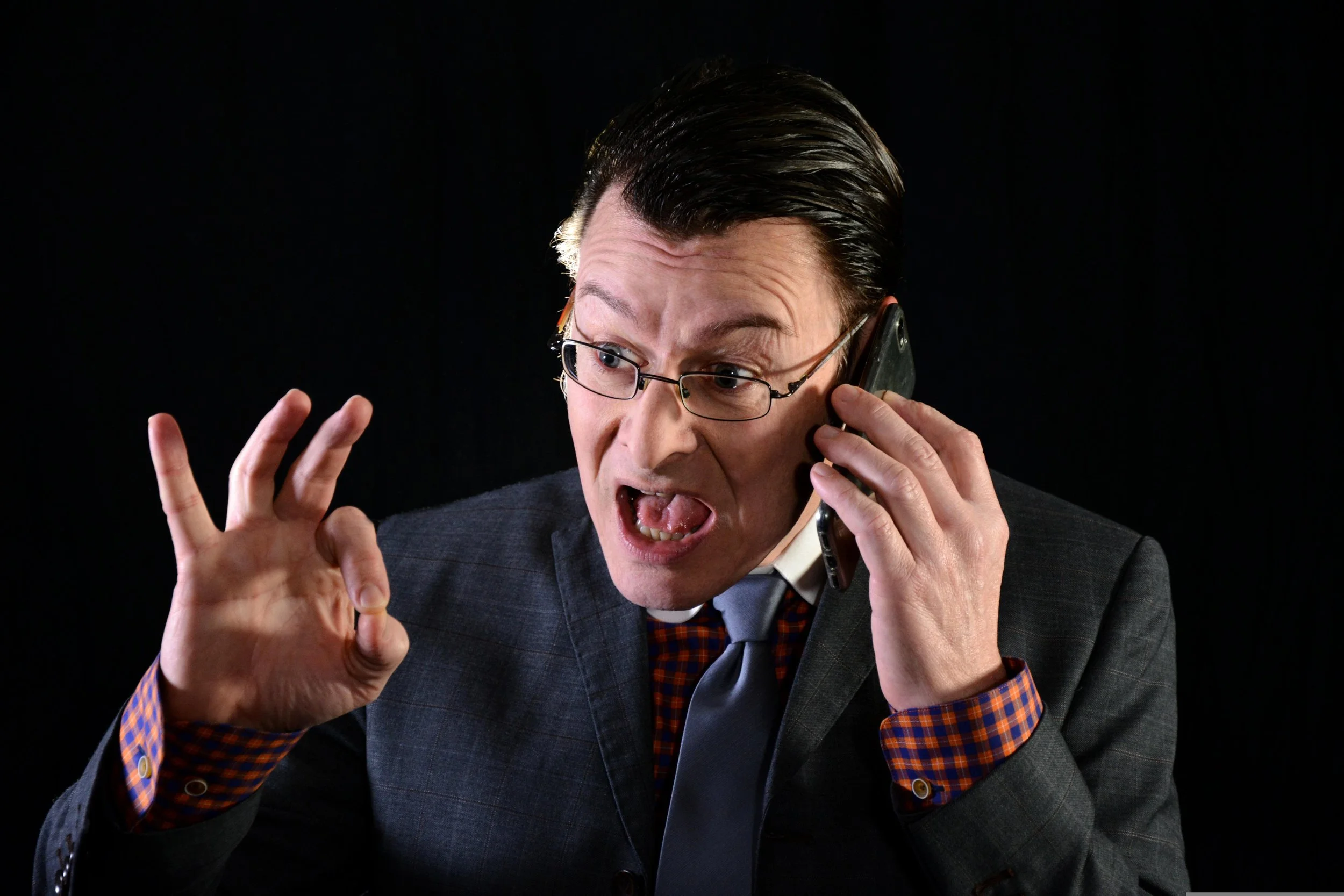
We have all seen the wrong kind of leadership. It is the leader who inserts themselves into every decision because nobody else can possibly get it right. The one who publicly corrects people over minor issues. The one who constantly snipes, criticizes, or demonstrates authority simply because they can. The one who always has to provide the answer, even when someone else already has one. Every conversation becomes a reminder of who is in charge rather than an opportunity to help others succeed.
What makes this kind of leadership especially difficult is that it is often invisible to outsiders. In public, these leaders can be warm, engaging, funny, and remarkably personable. They charm board members, clients, donors, and peers. They know exactly how to present themselves. Behind closed doors, however, the tone changes. Employees experience a very different person. They walk into meetings wondering what criticism is coming next. They second guess every email before pressing send. Those outside the organization often cannot reconcile the stories they hear because they have only seen the polished version.
On the surface, this behavior looks like confidence. In reality, it often reflects the opposite.
I love Maslow's Hierarchy of Needs….and have written/done my podcast on it several times. Maslow offers an interesting perspective. Before someone reaches the highest level of “self” as reaching “self-actualization,” they seek security, belonging, esteem, and a stable sense of oneself. Leaders who never seem satisfied and constantly diminish others often appear to be searching for esteem in the wrong place. Instead of building their own confidence through purpose, competence, and healthy relationships, they build it by pushing others down. Every criticism becomes proof, in their own mind, that they are still the smartest person in the room.
The problem is that leadership built on insecurity creates organizations filled with insecurity.
People stop taking initiative because every decision is second guessed. Creativity disappears because the safest choice is to remain silent. Talented employees spend more time managing the leader's emotions than solving problems. Eventually, people stop bringing ideas altogether because experience has taught them they will simply be criticized.
Over time, the organization pays a significant price. Innovation slows. Trust disappears. High performers quietly leave when they can. Those who remain often become less engaged, less confident, and less willing to take ownership. Performance declines, even though the leader often responds by becoming even more controlling.
The saddest part is watching what it does to good people. Capable professionals begin questioning their own judgment. People who once enjoyed their work become anxious before every meeting. Teams lose the energy that comes from feeling trusted and respected. The damage extends beyond the office. It follows people home, affecting their confidence, relationships, and overall wellbeing.
Yet many stay.
They stay because the compensation is attractive. They stay because they have families to support. They have kids in school. They stay because the uncertainty of leaving feels greater than the certainty of living with unhealthy leadership. Financial security can keep people in organizations for years after their enthusiasm has disappeared. Fear of the unknown will make people not even consider other options. From the outside, everything appears healthy because the leader has mastered the public image. The people living with the reality know otherwise.
Great leaders do something very different. They derive confidence from developing others rather than dominating them. They ask questions instead of supplying every answer. They correct with dignity, praise generously, and recognize that leadership is measured less by how indispensable they become and more by how capable everyone around them becomes.
Leadership should elevate people. When it consistently diminishes them, it is revealing far more about the leader than the people being led.